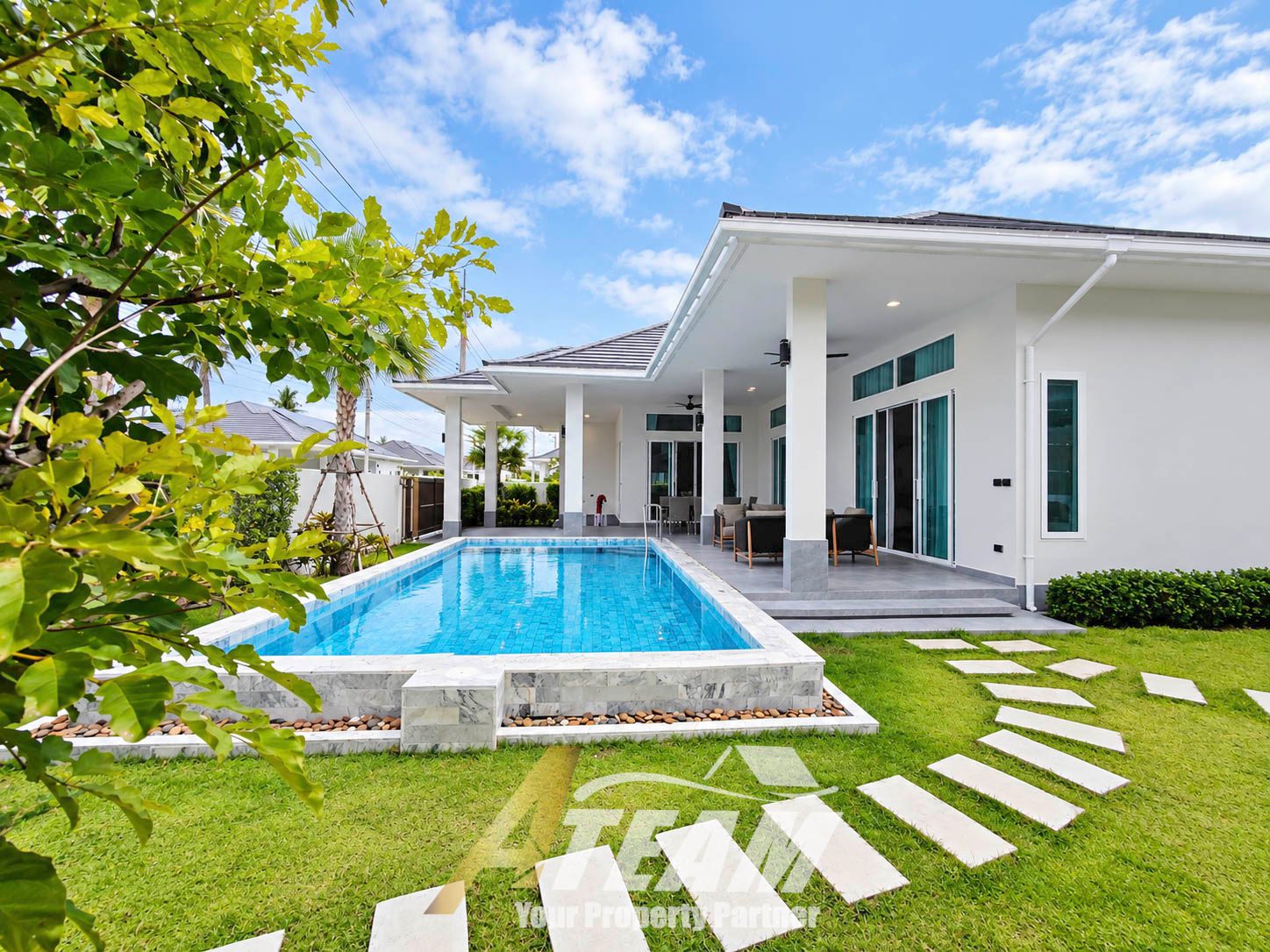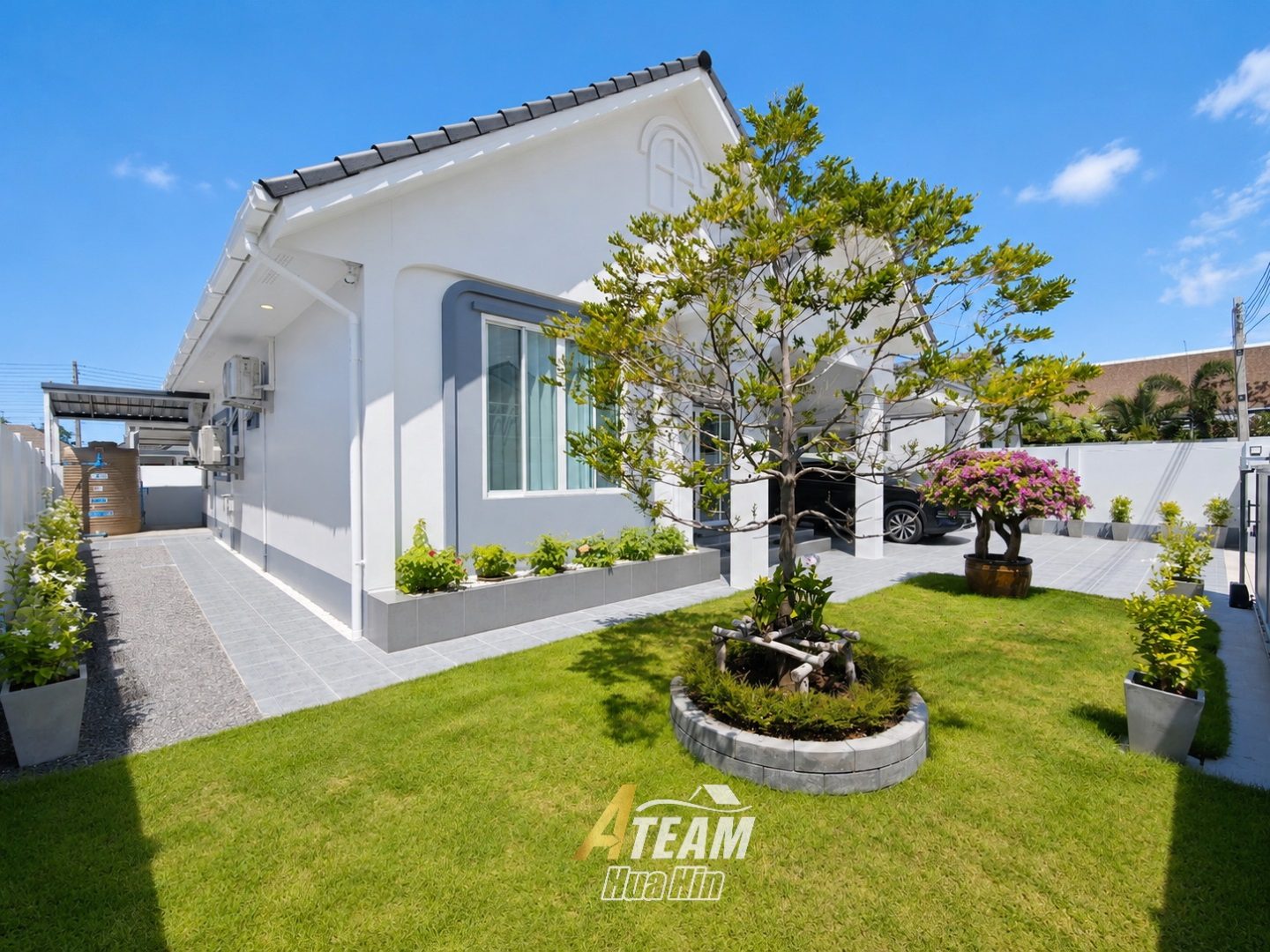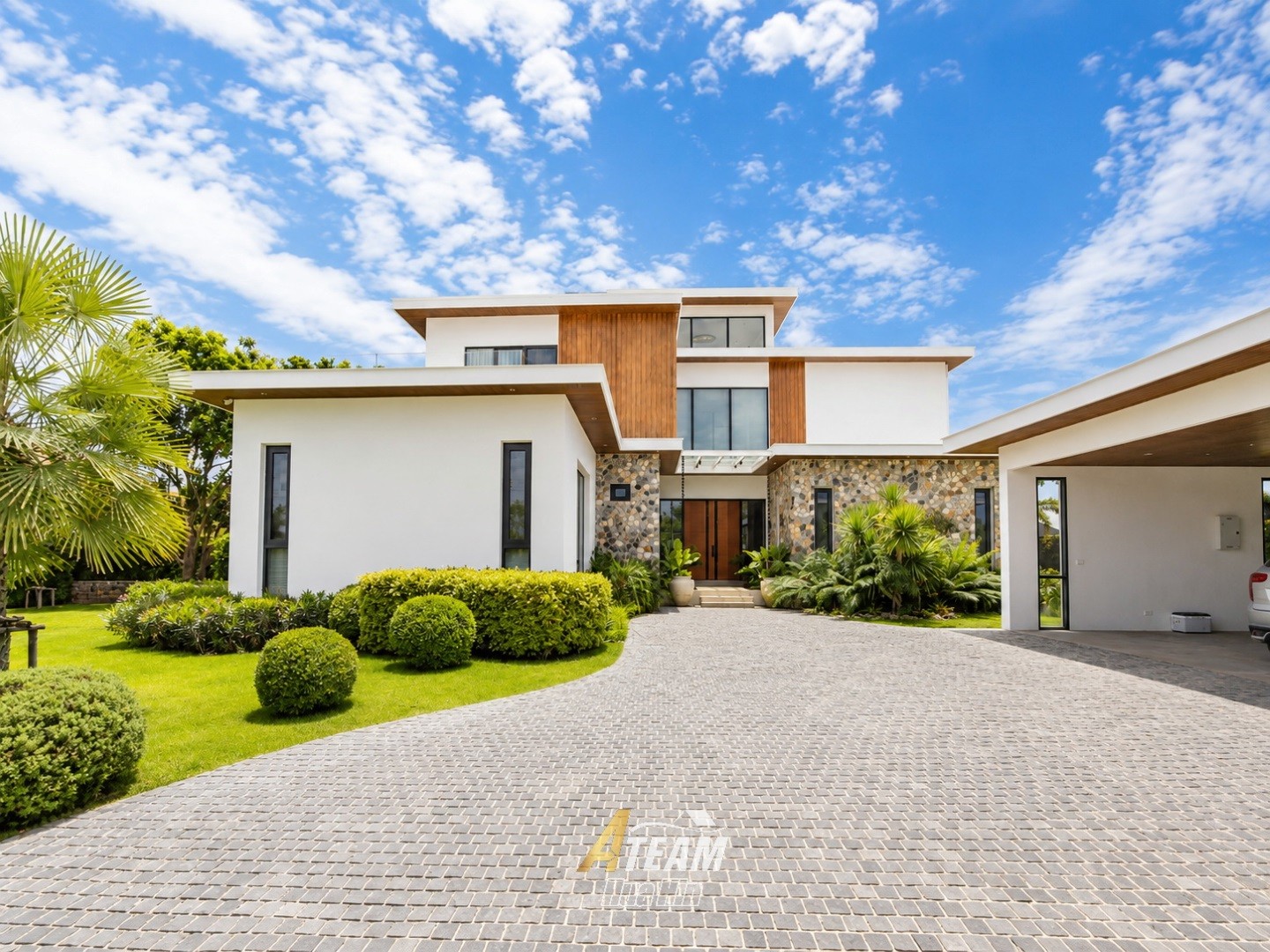
Who pays Thailand's Land and Building Tax, the rates charged today, the exemptions for your home and when the bill is due.
You might have noticed your Thai neighbors planting banana trees on every empty plot in the neighborhood. No, the price of bananas is not picking up. The reason is the Land and Building Tax, and it may affect your annual budget too.
The Land and Building Tax Act was approved in 2019 and has applied since January 1, 2020. It replaced the older House and Land Tax and the Local Development Tax. Anyone who owns land or a building on January 1 of a given year owes the tax for that year, and it makes no difference whether the owner is Thai or foreign. The aim is to encourage owners to put their land to use.
What the Act changed
- •The tax is based on the value of the land, building or condominium unit as appraised by the government, not on a yearly rent set by district officials.
- •The old flat rate of 12.5% was replaced by different rates that depend on how the property is used.
- •Homes lived in by their owners, which paid little or nothing before, are now included.
- •The tax is collected by the local authority: the municipality or subdistrict administrative organization.
The four categories of property
- •Residential, including condominiums
- •Commercial and other uses
- •Agricultural land
- •Vacant or unused land
Maximum rates in the Act
The Act sets a ceiling for each category. The rates actually charged, shown further down, are lower.
| Category | Maximum rate |
|---|---|
| Commercial and other | 1.20% |
| Vacant or unused land | 1.20%, rising to 3% over time |
| Residential | 0.30% |
| Agricultural | 0.15% |
Exemptions for your home
Your main home can be exempt up to a certain value. Your name must be on the house registration (tabian baan) of the property. Foreigners can be entered on a yellow house registration book; ask your local authority whether it accepts the yellow book for the exemption.
- •You own the land and the house and live there: the first 50 million baht is exempt.
- •You own a condominium unit, live there and have your name in its house registration: local authorities generally treat it like land with a house, so the first 50 million baht is exempt. Some guides say 10 million baht, so ask your local authority. In ruling 3227/2568, Thailand's Supreme Court applied one 50 million baht exemption to such a unit and held that co-owners share it rather than each claiming their own.
- •You own only the building, for example a house on leased land: the first 10 million baht is exempt. The landowner pays the tax on the land.
- •A second home has no exemption and is taxed from the first baht.
Farmland owned by an individual is exempt on its first 50 million baht in each local authority area. No farmer registration is needed, but the land must really be farmed to an official minimum, for example 200 banana plants per rai.
The rates charged today
Each rate applies to the part of the appraised value that falls in that band.
| Appraised value | Rate |
|---|---|
| Up to 50 million baht | Exempt |
| 50 to 75 million baht | 0.03% |
| 75 to 100 million baht | 0.05% |
| Above 100 million baht | 0.10% |
| Appraised value | Rate |
|---|---|
| Up to 50 million baht | 0.02% |
| 50 to 75 million baht | 0.03% |
| 75 to 100 million baht | 0.05% |
| Above 100 million baht | 0.10% |
| Appraised value | Rate |
|---|---|
| Up to 50 million baht | 0.30% |
| 50 to 200 million baht | 0.40% |
| 200 million to 1 billion baht | 0.50% |
| 1 to 5 billion baht | 0.60% |
| Above 5 billion baht | 0.70% |
A home you rent to a tenant on a monthly or yearly lease still counts as residential, but as a second home: it pays 0.02% from the first baht, with no exemption. Rooms let by the night or the day are not residential use and pay the higher commercial rates. A small homestay, with up to four rooms and 20 guests under the owner's own roof, still counts as residential.
Agricultural land pays between 0.01% and 0.10%, which explains the banana trees.
Vacant land gets more expensive
Land left unused for three years in a row has its rate raised by 0.3%, and again every three further years, up to a maximum of 3%. Putting the land to use stops the increase.
Reductions
The government has cut the bill in several years: by 90% in 2020 and 2021 during the Covid-19 pandemic, and by 15% in 2023. These cuts were temporary. As of November 2026, no general reduction had been enacted for 2026.
Some special cases still receive a reduction, such as foreclosed property held by a financial institution and certain development projects.
When and how to pay
The local authority sends the bill, and payment is normally due by the end of April. The date is sometimes extended: in 2026 the Ministry of Interior moved it to the end of June, with installments in June, July and August. Bills of 3,000 baht or more can usually be paid in three installments.
Late payment adds a 40% surcharge, cut to 10% if you pay before the warning letter or 20% if you pay within the period it sets, plus interest of 1% a month, capped at the tax owed. Once the local authority reports unpaid tax to the Land Office, the Land Office will not register a sale or transfer of the property. If you disagree with your assessment, you have 30 days from the notice to object to the local authority.
Frequently asked questions
Who has to pay?
- •An individual or company that owns the land or building. If different people own the land and the building, each pays the tax on what they own.
- •A person who holds the right to use state-owned land or buildings, such as a tenant of state property.
- •Anyone responsible for a taxpayer's affairs, such as an estate administrator, the legal representative of a minor, a co-owner paying on behalf of the others, or the liquidator of a company.
What if the use of my property changes during the year?
You must tell the local authority within 60 days of the change, or face a fine of up to 10,000 baht. The local authority assesses ownership and use as of January 1, so a change usually shows in the next year's bill.
Which property is exempt?
- •State property that is not used commercially
- •Private property the owner lets the authorities use for the public
- •Offices of the United Nations, embassies, consulates and the Red Cross
- •Property of religious organizations used for religious purposes
- •Common property under the Condominium Act, such as swimming pools, fitness rooms and parks
- •Other property set out in regulations, such as public wells
How is my property valued?
The tax uses the official appraised value, the same value used to calculate the transfer fee at the Land Office. Appraised values are reviewed about every four years. The current schedule runs through 2026, and a new one from 2027 may raise the amount the tax is based on.
This article is general information, with rates checked in November 2026. For your own situation, ask your local authority or a lawyer.
Browse by type: Houses & villas for saleCondos & apartments for saleLand for saleHouses & villas for rentCondos & apartments for rent